

Pathophysiology + clinical signs
Leptospires multiply quickly once they enter the blood stream.🩸 They attach to the blood vessel and cause vasculitis then spread and replicate in many organs, including the kidneys, liver, spleen, eyes, genital tract, and central nervous system (CNS)🧠. Severity of disease depends on the virulence of the organism and host susceptibility. Incubation period is approximately 7 days. Antibody production then occurs to help clear the organisms.🧬
Most of the common clinical signs we see are secondary to kidneys, liver, vascular system and/or lung dysfunction.
Renal failure clinical signs are very vague included lethargy, anorexia, vomiting, diarrhea and increase thirst/urination.🤮🤢 Leptospires can persist in the kidneys and be shed in the urine for weeks to months.
.
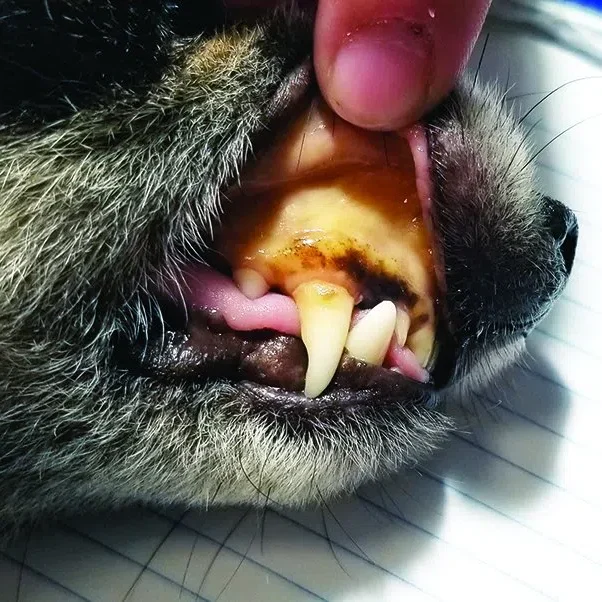
Liver failure clinical signs are also very vague included lethargy, anorexia, vomiting, diarrhea, jaundice and ‘’tea-colour’’ urine.😵💫😵 Hepatic dysfunction can occur from damage by leptospiral toxin and result with chronic hepatitis.
.
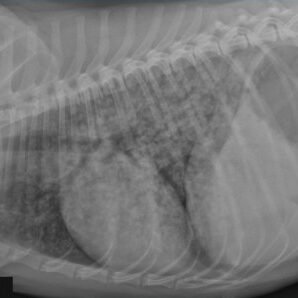
Lung (pulmonary) dysfunction can be presented for shortness of breath, exercise intolerance and having difficulty breathing. 🫁🩻 Pulmonary abnormalities can occur secondary to the effects of the leptospiral toxin on lung tissue, and from fluid exudation secondary to vasculitis.
Bleeding abnormalities can be seen secondary to vasculitis. For more information, see previous post about clotting disorder or click here https://www.instagram.com/p/CLLlncJJ5MD/
—Medical tips–
When Leptospirosis is suspected ,starting antibiotics treatment 💊 as soon as possible (even before the PCR test result) is important as it significantly increases the survival rate.
.
Since the bacteria will be in different organ systems during different phases of the infection, it is better to perform Lepto blood PCR AND Urine PCR to increase the chance of getting an accurate diagnosis 🔬. For this case, blood PCR was positive and Urine PCR was negative.