
What is Myxomatous Mitral Valve Disease?
Myxomatous Mitral Valve Disease (MMVD) also known as endocardiosis or degenerative valvular heart disease, is a condition where the heart’s mitral valve—which separates the left chambers—begins to break down. While the exact cause remains unknown, it has a strong inherited component in certain breeds. The disease causes the valve leaflets to become thick and deformed, eventually preventing them from closing effectively. This results in mitral regurgitation (a “leaky” valve), which forces the heart to work harder and eventually leads to heart enlargement and potential dysfunction.
Prevalence of the disease:
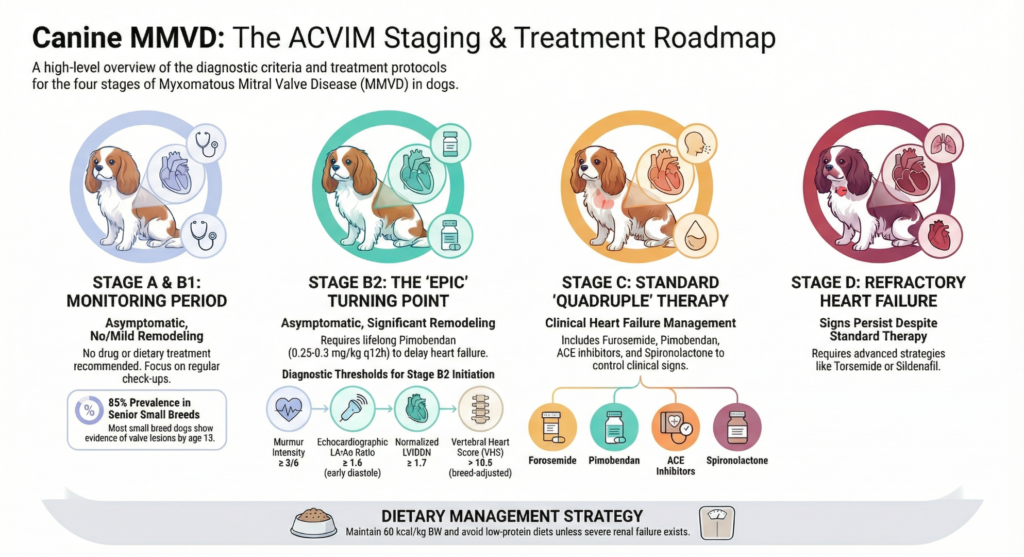
MMVD is the most common heart disease in dogs, representing approximately 75% of all heart disease cases seen in veterinary practices. It is roughly 1.5 times more common in males than females and is most frequently found in small breed dogs weighing less than 20 kg. The prevalence increases significantly with age; by 13 years old, up to 85% of small breed dogs show some evidence of these valve lesions.
Clinical signs:
In early stages, your dog may show no clinical signs, and the disease is often first detected as a heart murmur during a routine vet visit. As the disease progresses toward heart failure, you should watch for:
- Faster or labored breathing (tachypnea or dyspnea).
- Restlessness, particularly at night.
- Coughing.
- Reduced energy or exercise intolerance.
- Fainting or collapse
Diagnostic tests :
- Physical Exam: Identification of a characteristic heart murmur via a stethoscope.
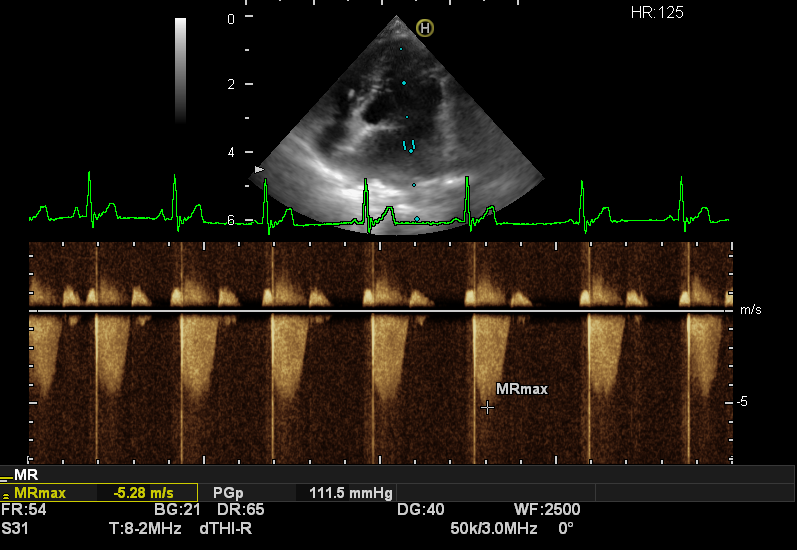
- Echocardiography (Heart Ultrasound): The gold standard for definitively identifying the disease and measuring heart chamber enlargement.
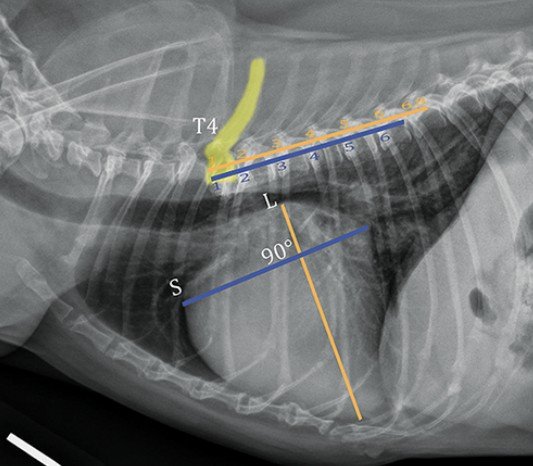
- Thoracic Radiographs (X-rays): Used to assess the “hemodynamic relevance” of the disease and check for fluid in the lungs (pulmonary edema).
- Blood Pressure: Recommended to rule out concurrent hypertension.
- Blood Work: Tests such as NT-proBNP concentrations can help determine if respiratory signs are caused by the heart or the lungs. General lab tests (kidney values and electrolytes) are also vital if treatment begins.
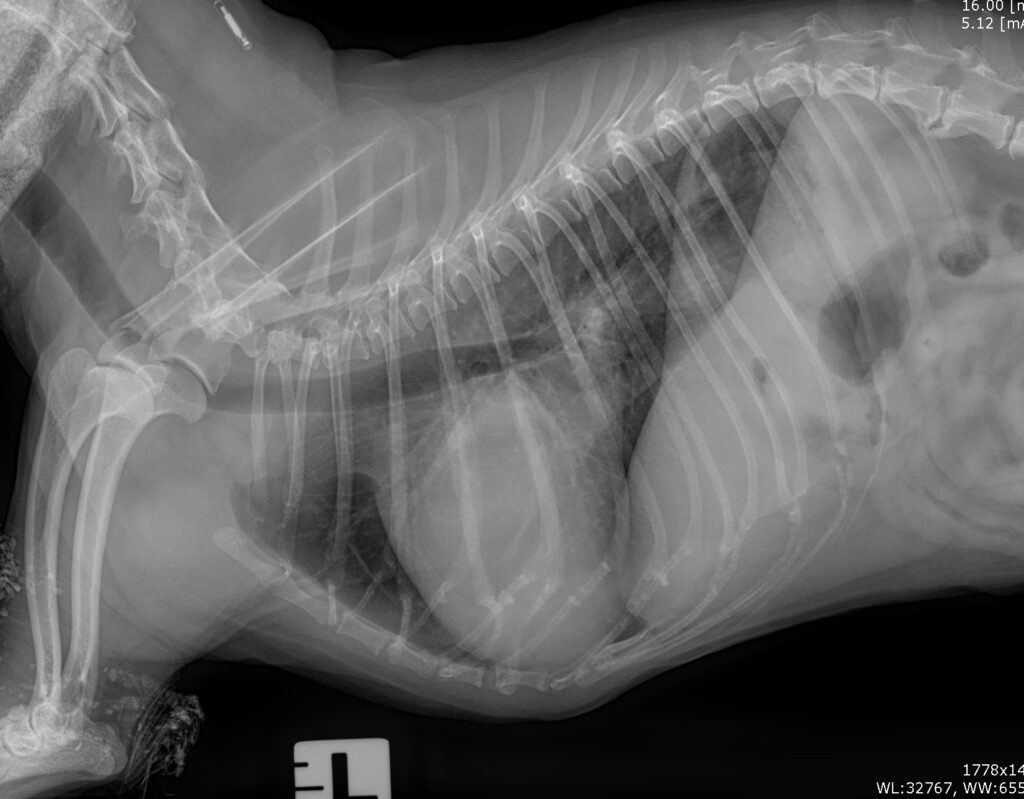
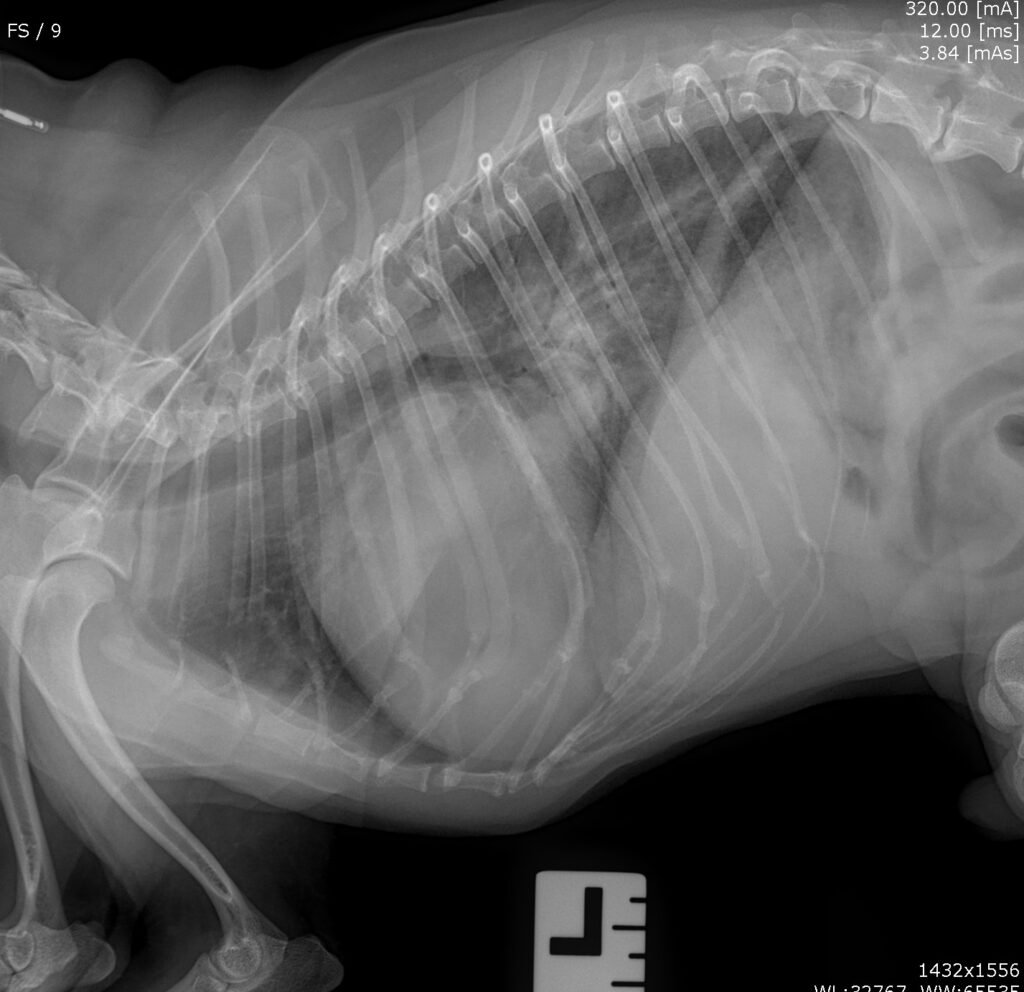
Congestive heart failure on the Right x-ray
What are the stages for MMVD?
- Stage A: Dogs at high risk (e.g., Cavalier King Charles Spaniels, Poodles) with no current murmur.
- Stage B: Dogs with a murmur but no clinical signs of heart failure.
- B1: No or minimal heart enlargement; treatment is not yet required.
- B2: Significant heart enlargement; treatment is started here to delay the onset of heart failure.
- Stage C: Dogs with current or past signs of heart failure (e.g., fluid in the lungs).
- Stage D: End-stage disease where clinical signs no longer respond well to standard treatment.
What should an owner monitor at home? The most important monitoring tool for pet owners is the Resting Respiratory Rate (RRR).
- How to measure: Count your dog’s breaths for one minute while they are sound asleep or resting calmly.
- Why it matters: An increase in this rate above your dog’s normal baseline is the best predictor of impending heart failure.
- General Health: You should also keep a close eye on your dog’s appetite, body weight, and activity levels, as changes in these can signal disease progression.